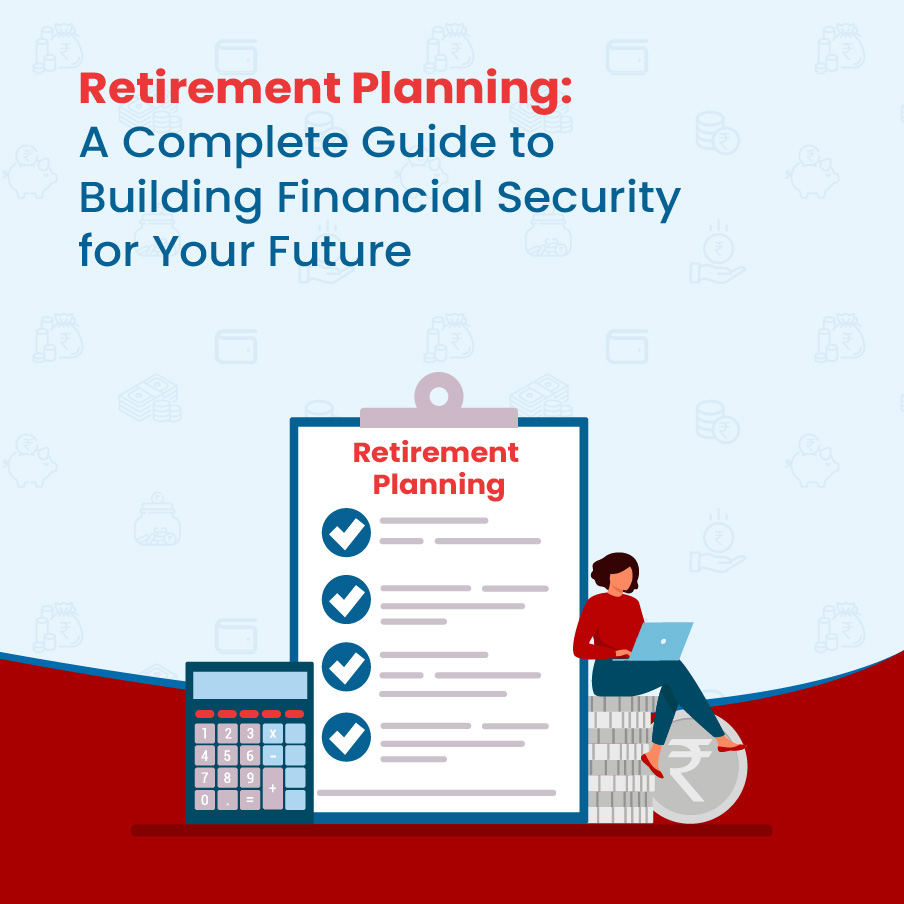
Retirement is often envisioned as the golden phase of life. It offers a chance to pursue lifelong passions, or simply relax with loved ones, away from the daily pressures of a demanding job. Retirement planning is the cornerstone of long-term financial security for your family. You start by analysing your current financial standing. From there, you project future living expenses and make investments that create a steady stream of income once you stop working. At HDFC Pension, we understand this journey. Grasping how wealth accumulates is what makes a stress-free future possible.
Why Retirement Planning Is Important for Financial Independence
Many people assume their regular savings will carry them through their later years. That view overlooks the economic factors capable of eroding accumulated wealth. India has no universal social security net to support all its ageing citizens. The financial burden, then, sits squarely on your own shoulders. Understanding why retirement planning is important is the first step toward taking control of your financial destiny.
Inflation is the main reason retirement planning matters in today’s shifting economy. The cost of everyday living rises sharply across a few decades. As a result, the purchasing power of your current savings shrinks over time. You will need a larger corpus simply to hold the same standard of living years from now. Life expectancy is also climbing worldwide. Living longer is a blessing. It also means your savings must stretch across twenty or thirty years. Without a dedicated cushion, you risk outliving your resources and becoming a financial burden on your family.
Benefits of Retirement Planning and Starting Early
A detailed roadmap for your post-work years pays off in ways both financial and psychological. The benefits of retirement planning reach well past having spare money in a bank account. They give you the freedom to make major life choices on your own terms. Chief among the advantages of retirement planning is the chance to harness long-term compounding. Begin investing young, and even small, regular contributions grow exponentially. For anyone willing to commit, the benefits of early retirement planning are remarkable.
Lower Financial Burden: Starting in your twenties or thirties lets you build a sizeable corpus with smaller monthly contributions than someone beginning in their forties.
Higher Risk Tolerance: Younger investors hold an edge in a volatile market. They can afford to steer a larger share of their portfolio into aggressive equity-linked instruments while choosing suitable NPS investment strategies based on their risk appetite.
Tax Efficiency: Optimisation preserves wealth. Many retirement-focused instruments offer NPS tax benefits and deductions under government provisions such as Sections 80C and 80CCD.
Peace of Mind: Reducing daily stress is invaluable. Knowing your future is secure eases anxiety and lets you enjoy your current lifestyle.
How Do You Plan for Retirement Effectively?
Young professionals often ask exactly “how do you plan for retirement when the future seems so unpredictable?” The answer lies in a structured, systematic approach. What you need is a step-by-step strategy that adapts as your life stages and finances change.
Define Your Retirement Goals: Begin by picturing your ideal post-retirement life in detail. Will you travel the world, or move to a quieter coastal city? Those choices dictate the corpus you require.
Estimate Future Expenses: Take your current expenses and strip away the work-related costs. Then factor in inflation of roughly six percent a year. Healthcare costs, in particular, spike over time.
Calculate the Required Corpus: Use a free online retirement calculator. It works out the total needed to sustain your estimated expenses across your expected lifespan.
Execute Retirement Income Planning: This is a crucial phase of the process. Retirement income planning is how you decide to generate regular cash flow from your accumulated corpus. The step means structuring your portfolio with a mix of annuities, dividend-yielding stocks, and fixed-income assets.
Review and Rebalance: Your strategy has to evolve. Shift gradually from volatile equities toward stable debt instruments to shield your capital from market crashes.
Common Retirement Planning Mistakes to Avoid
Even with the best intentions, a few financial pitfalls can derail your long-term security. Steer clear of these to keep your future secure.
Underestimating Healthcare Costs: A medical emergency can wipe out decades of savings fast. Keep a comprehensive health insurance policy running alongside your retirement fund.
Dipping into the Corpus Early: Pulling from retirement funds to cover a child’s education halts compounding at once. It leaves your final corpus badly depleted.
Being Too Conservative: Parking everything in low-yield savings accounts may feel safe today. Yet that cautious approach all but guarantees inflation erodes your wealth over time.
Ignoring Inflation: Here is the silent killer of wealth. Planning your corpus around today’s expenses rather than future costs is a recipe for a shortfall later in life.
Government-Backed Retirement Solutions to Consider
India offers several government-backed instruments built to encourage long-term wealth accumulation for its citizens. Folding these secure assets into your portfolio lends it a foundation of stability and tax efficiency.
National Pension System (NPS): A popular option today. This voluntary, long-term savings scheme lets you allocate funds across equity, corporate bonds, and government securities.
Public Provident Fund (PPF): Your capital is safe here. The fifteen-year scheme offers guaranteed returns and a fully exempt tax status.
Employees’ Provident Fund (EPF): This is mandatory for salaried employees at eligible organisations nationwide. It drives a disciplined, automated monthly contribution toward your retirement.
How HDFC Pension Can Help You Build a Strong Retirement Plan
Managing a retirement portfolio takes expertise, transparency, and a firm grasp of market dynamics. As a leading Pension Fund Manager under the National Pension System, HDFC Pension is well placed to guide you toward financial independence. We build fund management strategies tailored to your personal risk appetite. You might lean toward the growth of equities. Or you might favour the steady, predictable stability of government bonds. With a focus on long-term value creation, professional asset management, and regulatory compliance, our team gives you the reliable framework you need. You can trust that your hard-earned money is working to secure the future you deserve. Let HDFC Pension be your partner in building a resilient financial legacy.
FAQs on Retirement Planning
How much money should I save before retirement?
A common rule of thumb is a corpus twenty-five to thirty times your annual expenses. Another metric is the replacement ratio, which suggests replacing seventy to eighty percent of your pre-retirement income. What you actually need varies with your lifestyle and location.
What factors can affect retirement income planning?
Several moving variables shape how you plan post-work income. They include the inflation rate, taxation on withdrawals, sudden medical emergencies, and market volatility hitting your equity holdings. Your life expectancy, too, will influence the withdrawal strategy that suits you best.
Can retirement planning help protect against inflation?
A sound plan fights inflation by steering a good share of your portfolio into growth assets like equities. Historically, these deliver strong long-term returns. They tend to outpace inflation over the years, so your money keeps its purchasing power across the decades.
What is the ideal age to start planning for retirement?
Ideally, begin right after your first professional paycheck. Professionals in their early twenties hold a real advantage. The head start lets them harness the power of compounding over a longer timeline.
How often should a retirement plan be reviewed?
Review your retirement plan at least once a year. It also pays to reassess after major life events, such as a marriage or a career change. Regular reviews keep your asset allocation aligned with your changing goals.
What role does diversification play in retirement planning?
Diversification is the sharpest risk management tool a retail investor has today. Spreading investments across asset classes like equities, corporate bonds, and real estate protects your portfolio from heavy losses. It balances the need for growth against the necessity of capital preservation.